Book List 2025
Just the Classics

I read a lot of books, and for some reason people like to see the list of the books I have read, and my brief thoughts about them.
In the past I have posted such lists in various places, but now, being gloriously free of most forms of social media, it seems Substack is the best place to do it.
Last year I read 154 books, which is too much for one post. So, here is the beginning of my list from 2025, starting with books that are considered “classics.”
Book List 2025
Classics
The Aeneid, Virgil:
The classic story of what happens to the warriors of Troy after the fall of their walled city in the Iliad, but composed from the perspective of later Italy. The writing, the imagery, the depiction of war and navigation and jealousy and betrayal and nobility are all glorious. It is clearly a story of how Rome (Virgil was writing at the time of Caesar Augustus) became so great and had such a divine destiny over it. As in the Iliad and the Odyssey, it is also a story of how the gods just can’t stop messing around with humans. Everyone and their cow is descended from a randy god or other, and the gods are constantly going behind each other’s back, helping their champions or hurting others, and trying to disrupt the plans of both Jupiter and any human ruler or warrior. It is very interesting to read this account just before the Christian era, and to see Roman paganism around its peak.
Blake’s Illustrations for the Book of Job, William Blake: a collection of all the variant sketches, engravings, and paintings Blake made for the Book of Job.
Siddartha, Herman Hesse: The story of Siddartha, a man raised in India to be a Brahmin; who left his home along with his friend Govinda to be a poor ascetic with the Samanas; who meets Gotama Buddha but chooses not to become his follower; instead experiencing the life of materialism and wealth in a village; discovers the emptiness of that life and abides by a river with a holy raftsman, listening to the wisdom of the river together. It is the story of the longing of a soul first to escape the self, then to accept the self, and then to see the interconnectedness of all things. There is a great deal in this book to give one pause for thought and for no-thought, to see things as they are and to accept all things as One. Beautifully written, heart-rending at points, with ties to Hinduism and Buddhism but not necessarily an endorsement per se of either.
Songs of Innocence, William Blake: The 1789 masterpiece of poetry and engravings by Englishman William Blake. Accessible poetry and art concerning the innocence of life - soon to be sharpened by the addition of Blake’s Songs of Experience. I especially enjoyed “On Another’s Sorrow” and “The Divine Image”.
The Fellowship of the Ring, JRR Tolkien: Things I noticed this time through the book: Pippen is less annoying than in the movies; Gandalf is very sassy and grumpy; Boromir is constantly corrected by Elrond, Gandalf and Aragorn, no wonder he cracks; Frodo is way more mature than he is in the movies; I cared a lot more about the maps and details of the journey than I ever have before. This is a comfort read for me, my happy place, the spark for my imagination.
The Two Towers, JRR Tolkien: The rise of the Ents, Helm’s Deep, Isengard, taming Gollum, Sheldon’s lair - just so, so good. True heroic narrative, with glimpses of first rate humour as well. This book in particular show the quality of Frodo and Faramir far more than the movies do.
The Return of the King, JRR Tolkien: Still with the power to move me to tears, and to inspire me to be a better, nobler man. Again struck by the comedy this time, especially in the appendices.
The Hobbit, JRR Tolkien: The dwarves only really become noble at the end of this tale, which is far more of a character study in the growth of a well-to-do Hobbit who changes the fate of Middle Earth. It is the story of innocence encountering hardship, then temptation, then the need to take responsibility.
The Book of Merlyn, TH White: The originally unpublished conclusion to The Once and Future King. King Arthur is old and on the precipice of battle with his son Mordred, when his old tutor Merlyn reappears and takes him back to the Committee of animals to address the question of humanity’s violence. To consider the question Arthur is once again changed into animals - this time an ant, then a goose - to ponder different ways humanity might overcome its natural ferocity. It is part story, part lecture series, part hopeful prophecy for the future and I quite enjoyed it, especially the depictions of the flocks of geese, and the loyal badger singing Jerusalem.
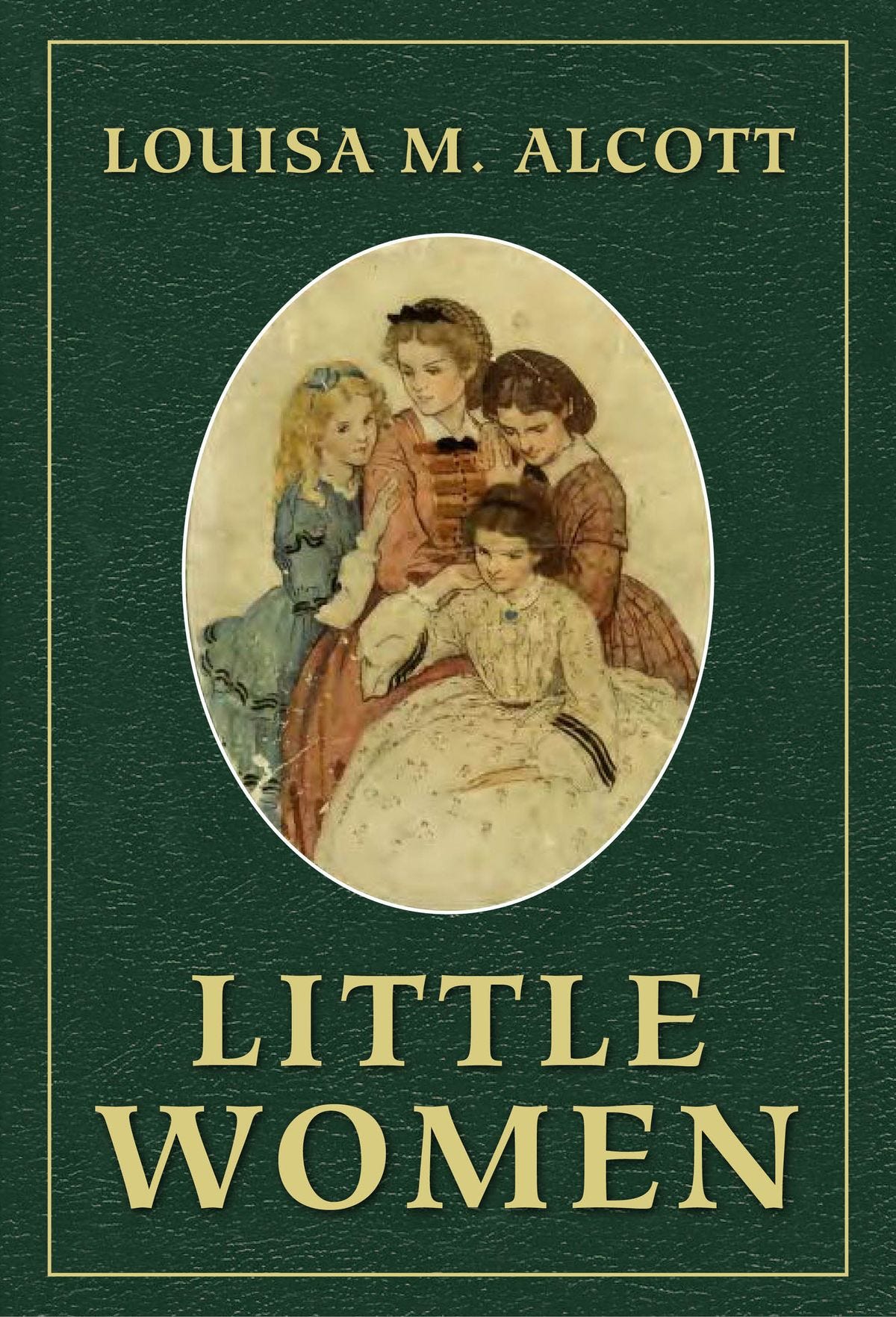
Little Women, Louisa May Alcott: What a beautiful novel. Alcott tells the story of a Civil War-era family of 4 girls, each unique in their loves, habits, interests and aspirations. The story focuses not on wars or great political moments - some of these exist at the margins - but in the day to day, domestic interests, laughs, sorrows and lessons. And it is magnificent. I wept many times, and was moved many times by the nobility of some of the characters, especially Mrs March and Beth. Yes, there are critiques to be made, particularly with regards to who is missing in the story, but on the whole it is a revelation and a joy to read.